Wheelchairs and transport chairs
Folding standard wheelchairs, lightweight transport chairs, and motorized carts for daily errands or post-surgery recovery.

Recovery gear should not drain your savings. Arul searches community lending closets, charity programs, and local foundations that loan medical equipment at little or no cost.
Quick to start. No cost to search.

Most community loan closets only require a simple pickup agreement or small refundable deposit.
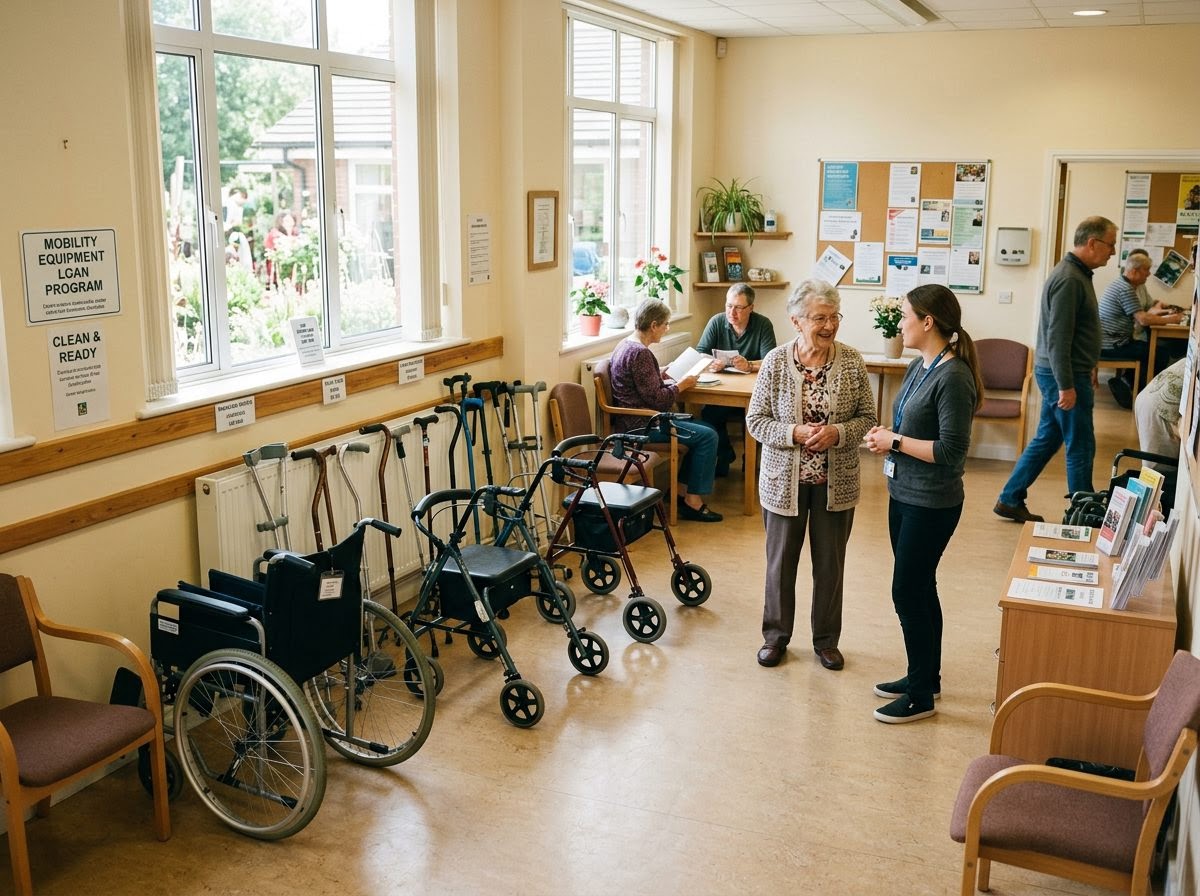
Across the country, hundreds of local civic clubs, senior centers, and health charities run medical equipment loan closets. Families donate gently used wheelchairs, walkers, and hospital beds they no longer need, and volunteers inspect and clean them so other neighbors can borrow them for free. Finding these programs is often hard because they rarely show up in search ads. Arul searches directories, reaches out to local programs by email or text, and pinpoints where you can borrow what you need.
Folding standard wheelchairs, lightweight transport chairs, and motorized carts for daily errands or post-surgery recovery.
Standard two-wheel walkers, four-wheel rollators with seats, quad canes, and knee scooters for leg injuries.
Shower benches, transfer chairs, elevated toilet seats, and bedside commodes that keep home bathrooms safe.
Semi-electric hospital beds, overbed tables, trapeze bars, and manual patient lifts for bedbound care.
A medical loan closet is a community-run service that collects clean, durable medical equipment and lends it to residents recovering from illness, surgery, or injury. Most programs lend items completely free or ask for an optional small donation.
No. Community equipment closets usually do not ask for insurance cards, income verification, or complex paperwork. They exist specifically to help anyone who needs equipment without waiting weeks for an insurance pre-approval.
Yes. Reputable loan closets inspect incoming items for safety, replace worn rubber tips or brakes, and sanitize surfaces thoroughly before re-issuing them to another family.
Most programs allow you to keep equipment as long as it is actively needed for recovery. Once you or your family member are back on your feet, you simply return the item so another neighbor can use it.
Nobody should have to pay retail prices for equipment they only need for eight weeks of healing.
What you share is encrypted when it is stored and when it is sent.
Arul Health does not sell your information or share it with ad networks.
Arul shows you anything it sends in your name before it goes.
Disconnect any account at any time, or ask us to delete what we hold.




and more...