Changing how families face a diagnosis
A diagnosis arrives, and overnight a family becomes a logistics operation. Someone has to find the right specialist, get on the phone with insurance, schedule the scans, chase the prior authorizations, sort out the bills, and still find a way to sit with the person who is sick. Almost no one is trained for this. Almost everyone is left to figure it out alone.
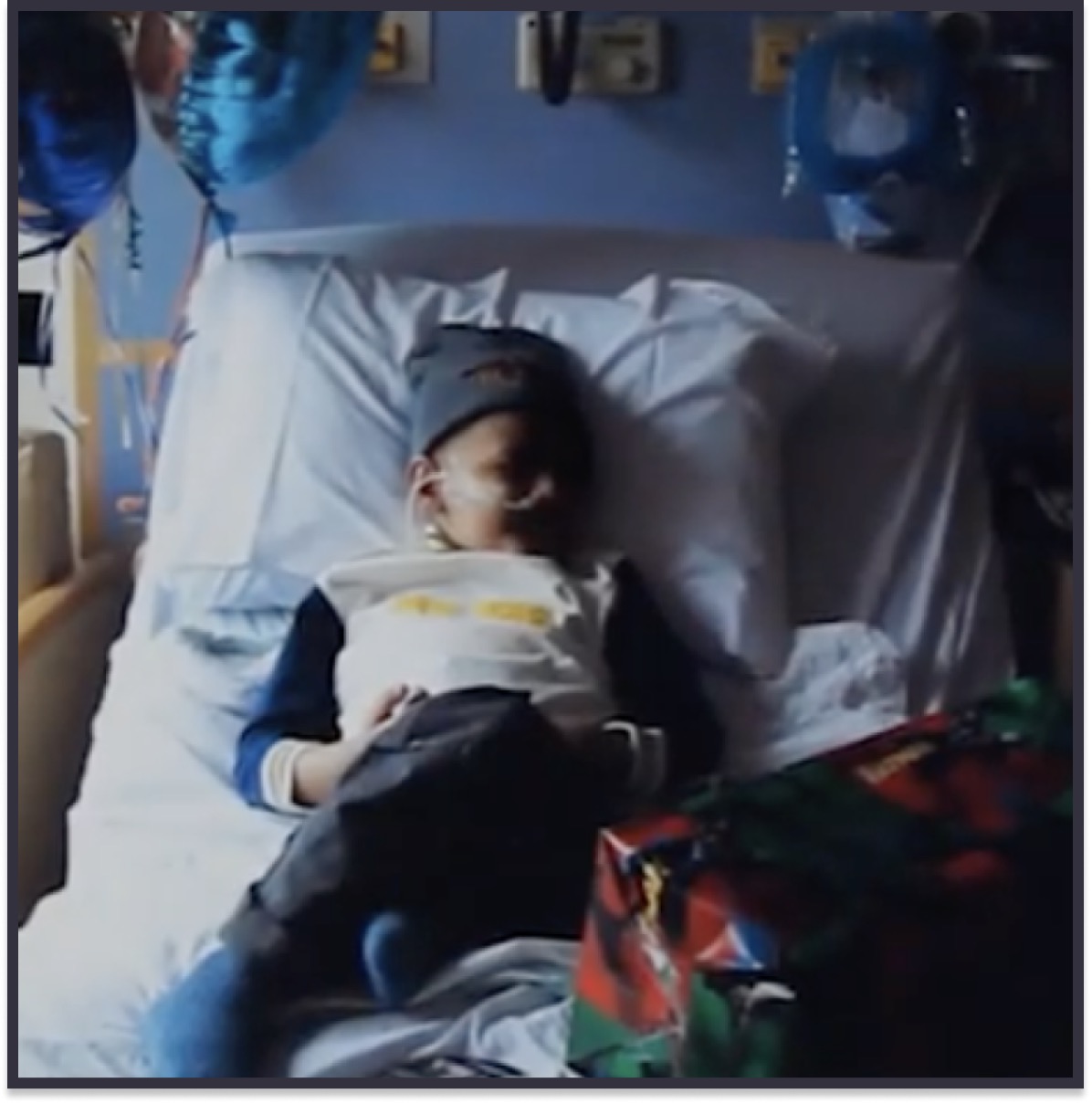
I know this because it happened to my family. I was diagnosed with cancer at four years old. My parents became my full-time navigators. They fought the disease and the insurance company at the same time. They managed the paperwork, coordinated every appointment, and learned a system that was never built for them to understand. They were relentless, and they were lucky to be able to do it. Not every family has that privilege.
We surveyed roughly 3,000 patients, and the answer came back the same way over and over:
“I thought I was the only one.”
They were not. The hours on hold, the dead ends, the feeling of carrying it alone are not personal failures. They are what happens when a system hands families a full-time job and no training.
A privilege most families never get
There is a kind of help that has quietly existed for years. Patients treated at top academic medical centers often get a trained navigator, someone who handles the calls, the scheduling, and the insurance, and who advocates for the patient as if they were family. The problem is who that reaches.
of people facing a serious illness are treated in community settings, with no structured navigation.
at major academic medical centers get it built in. The help that changes everything is reserved for the few.
That is why we started Arul Health
We match families managing a serious diagnosis with a navigator who acts as an extension of the family. Navigators are experienced, trained people who handle the non-clinical work that takes over a patient's life: finding the right providers, scheduling and preparing for appointments, navigating insurance and community benefits, applying for Medicaid and financial aid, sorting out transportation, chasing prior authorizations, and keeping medications on track.
We started Arul on one principle. If it is not good enough for our own families, it is not good enough for yours.
In a world of AI, we protect the human part
Behind every navigator is Arul's technology: an operating system built specifically for care navigation. We want people focused on what they do best and what patients need most: trust and human connection. Our platform takes on the administrative weight: task management, documentation, time on hold, and the dozens of small steps that pull a navigator away from the family.
The platform also gives every navigator a second brain. It surfaces the right next step, draws on a vetted resource database, and generates a care plan grounded in each family's situation. As we grow, we layer in AI supervision and coaching so that quality holds at scale.
The future of healthcare is not more information. It is coordinated action, for everyone.
The challenge ahead
There are not enough trained navigators, and every family that gets a hard diagnosis deserves one. That is the gap we are built to close. By expanding who can deliver expert navigation and giving them the tools to do it well, we can offer the kind of support that used to be reserved for the few to anyone who needs it.
We are building this so that no family has to go through what mine did alone, and so that the help my parents fought for becomes something every family can count on.